
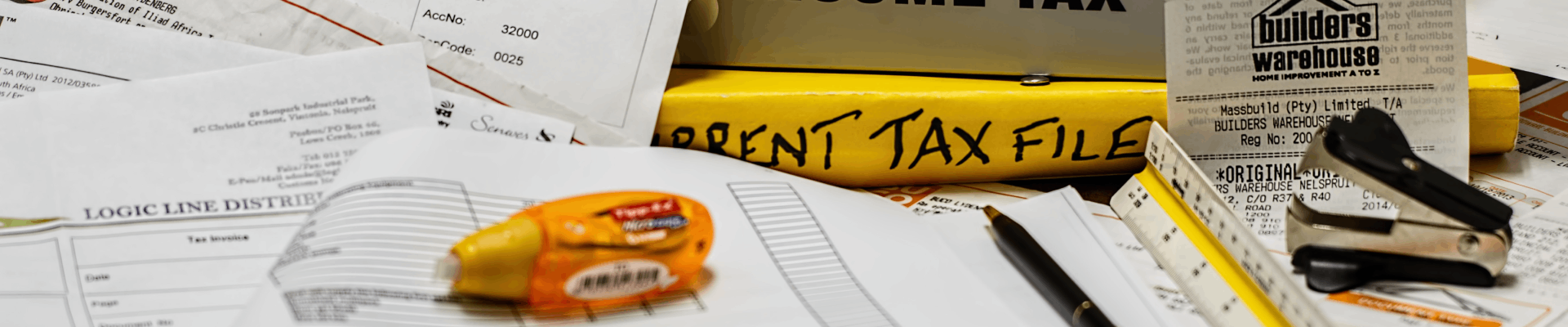


Every year, millions of taxpayers across the United States prepare their tax returns before the annual filing deadline in April. Understanding how the U.S. tax system works and what steps you need to take before the deadline can help individuals and businesses avoid penalties and maximize tax benefits.

In this guide, we will explain how the U.S. tax system operates, key deadlines, and what taxpayers should do before April.
Overview of the U.S. Tax System
The United States uses a progressive tax system, meaning that individuals with higher incomes pay a higher percentage of their earnings in taxes. Taxes are collected at multiple levels of government, including:
- Federal government
- State governments
- Local governments
The federal tax system is administered by the Internal Revenue Service (IRS), which is responsible for collecting taxes, enforcing tax laws, and processing tax returns.
For professional tax advisory, filing, and compliance services tailored to USA regulatory standards
Call now! +1 (443) 221-1122
Types of Taxes in the United States
Several types of taxes exist within the U.S. tax system:
1. Federal Income Tax
This is the primary tax paid by individuals and businesses based on their income.
2. State Income Tax
Most states collect income tax, though some states such as Texas and Florida do not impose state income taxes.
3. Payroll Taxes
These taxes fund programs such as Social Security Administration and Centers for Medicare & Medicaid Services.
4. Sales Tax
Sales taxes are typically imposed at the state and local levels on goods and services.
5. Property Tax
Local governments collect property taxes from homeowners and property owners.
Why the April Tax Deadline Matters
In the United States, most individuals must file their federal income tax return by April 15 each year. If April 15 falls on a weekend or holiday, the deadline may be slightly extended.
Taxpayers must submit their returns to the Internal Revenue Service by this date to avoid:
- Late filing penalties
- Interest charges on unpaid taxes
- Possible enforcement actions
For many taxpayers, April also represents an opportunity to receive a tax refund if they have overpaid during the year.
Who Must File a Tax Return?
Generally, individuals must file a federal tax return if their income exceeds certain thresholds determined by:
- Filing status
- Age
- Type of income
- Employment status
Common filing statuses include:
- Single
- Married Filing Jointly
- Married Filing Separately
- Head of Household
Self-employed individuals usually have additional filing responsibilities and must also pay self-employment taxes.
Steps to Prepare Your Taxes Before April
To ensure a smooth tax filing process, taxpayers should follow several important steps.
1. Gather Necessary Documents
Important tax documents may include:
- W-2 forms from employers
- 1099 forms for freelance or contract work
- Mortgage interest statements
- Investment income statements
2. Review Tax Deductions and Credits
Tax deductions and credits can reduce the amount of tax owed. Some common examples include:
- Child Tax Credit
- Earned Income Tax Credit
- Education credits
- Mortgage interest deduction
3. Choose a Filing Method
Taxpayers can file their returns in several ways:
- Filing electronically through IRS e-file
- Using professional tax services
- Filing manually using paper forms
Electronic filing is the most common and fastest method for receiving refunds.
4. Request an Extension If Needed
If taxpayers need more time, they can request a filing extension from the Internal Revenue Service. This typically grants an additional six months to submit tax returns.
However, an extension to file does not extend the deadline to pay taxes owed.
Common Tax Filing Mistakes to Avoid
Many taxpayers make mistakes that can delay refunds or trigger audits. Common errors include:
- Incorrect Social Security numbers
- Math errors in calculations
- Missing signatures
- Failing to report all income
Using tax preparation software or consulting a tax professional can help prevent these issues.
Benefits of Filing Taxes Early
Filing taxes before the deadline offers several advantages:
- Faster tax refunds
- More time to correct mistakes
- Reduced risk of identity theft
- Less stress during tax season
Early filing also helps taxpayers plan their finances more effectively.
Conclusion
The U.S. tax system can seem complex, but understanding the basics makes the process much easier. By gathering documents early, reviewing deductions, and filing before the April deadline, taxpayers can avoid penalties and potentially receive valuable tax refunds.
Whether filing independently or with professional help, staying informed about the requirements set by the Internal Revenue Service ensures a smooth and compliant tax filing experience.